The Art of Open Concepts: Creating Seamless Flow in Your Living Space Feb 27, 2026
The concept of creating an open plan is more than just knocking down walls; it’s about fostering a cohesive flow throughout your home. Before diving into construction, it’s important to assess your current space. Take note of the key areas that you frequently use and consider how these spaces can be better connected. Living rooms, kitchens, and dining rooms are prime candidates for open plans since they benefit greatly from interaction and ease of movement. Additionally, evaluating your space helps identify load-bearing walls and structural necessities, ensuring a safe and efficient redesign.
Once you’ve analyzed your layout, the next step is to envision how you want the space to function. An open concept should align with your lifestyle. For instance, if you enjoy entertaining, opening up the kitchen to the living room can create a dynamic hub for social gatherings. Alternatively, for families looking to keep an eye on children, an open plan offers clear sightlines and enhanced supervision.
One of the key benefits of an open concept is the ability to boost natural light within your home. By removing walls, light can travel freely from one area to another. Consider installing larger windows or skylights to maximize this effect. These changes not only brighten your space but also contribute to a more energy-efficient home, reducing the need for artificial lighting during the day.
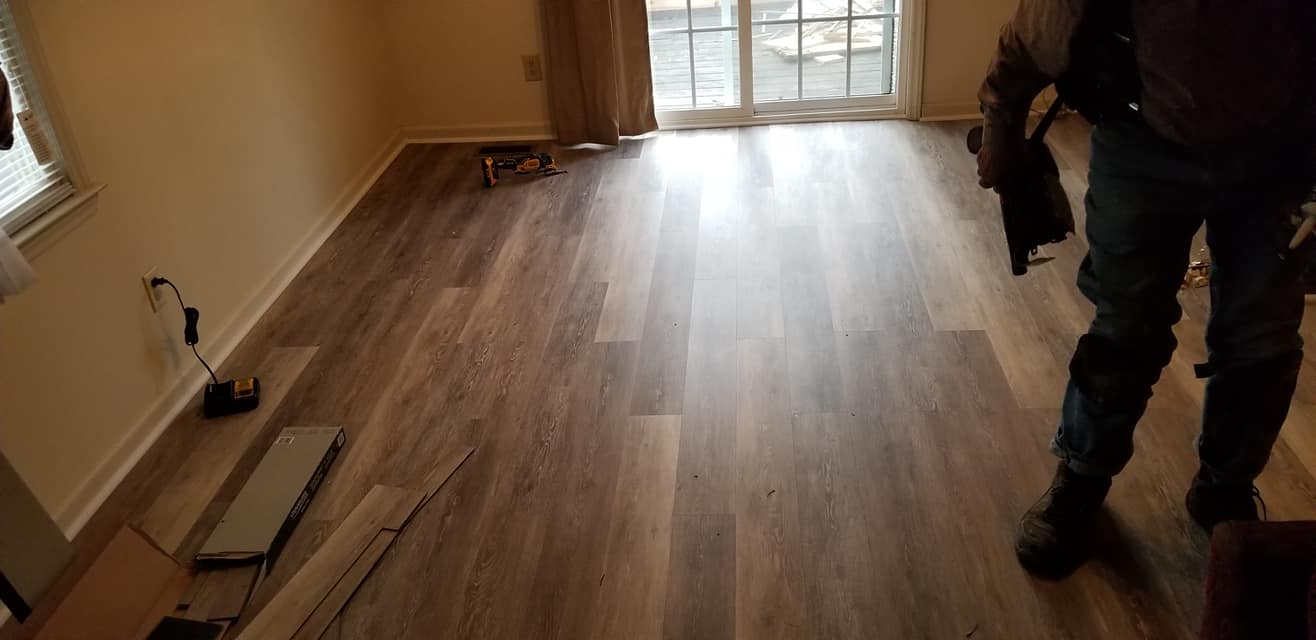
Incorporating cohesive design elements is also essential in maintaining the flow of open concepts. Using similar or complementary color palettes ensures each area feels connected. For instance, you might choose a neutral base color and then add splashes of color through decor and accessories. Flooring is another critical component. Maintaining consistent flooring throughout, such as hardwood or polished concrete, avoids visual interruptions and reinforces the unity of the space.
Furniture arrangement plays a vital role in delineating different zones within an open layout. Strategically placing rugs or sofas can help create functional areas without the need for physical barriers. Consider your furniture not just as decor, but as tools to define space and facilitate easy movement.
When planning your open concept, it's important not to overlook storage. Losing walls often means losing cabinets or shelves. Ottomans with storage, built-in cabinetry, and wall-mounted shelves are excellent ways to keep the space tidy without sacrificing openness.
Lastly, engage with a professional remodeling service like Autry Home Improvements LLC to ensure your project runs smoothly. Professional insight and expertise can help you navigate structural concerns, and provide guidance on design choices aligned with both your vision and budget.
In conclusion, embracing an open concept is a transformative step in modernizing your home. When designed thoughtfully, open plans provide a seamless flow that enhances both the aesthetic and functional qualities of your living space. Whether you’re looking to entertain more effectively, improve your home’s energy efficiency, or simply enjoy an airy, uncluttered layout, open concepts offer endless possibilities.
/filters:no_upscale()/filters:format(webp)/media/3142bd38-25e1-42a9-be33-80faf47aa98d.jpg)